Understanding the Main Types of Pipes in Plumbing
For many homeowners, trying to identify the different types of pipes in a home can feel overwhelming. Whether you’re inspecting your basement or tracing pipes in other rooms, it’s not always clear which pipes do what, or why they’re located in certain areas. Understanding the different types of pipes—and their purposes—is key to keeping your plumbing system running smoothly and safely.
Key Plumbing Pipe Categories
There are several types of pipes commonly found in homes, each serving a distinct purpose:
Waste pipes remove wastewater from the house.
Vent pipes connect to the waste system, providing airflow and carrying odors outside.
Water pipes deliver fresh water into the home.
Additional pipes may transport gas and heating.
Knowing where your main water shutoff valve is located is crucial. In case of a plumbing emergency, shutting off this valve quickly can minimize water damage before contacting a plumber. Many homes also have individual shutoff valves at fixtures, but being able to locate the main shutoff quickly is often most important in urgent situations.
Over time, the types of pipes used in plumbing have evolved thanks to advancements in technology and materials.
Types of Pipes for Waste and Vent Systems
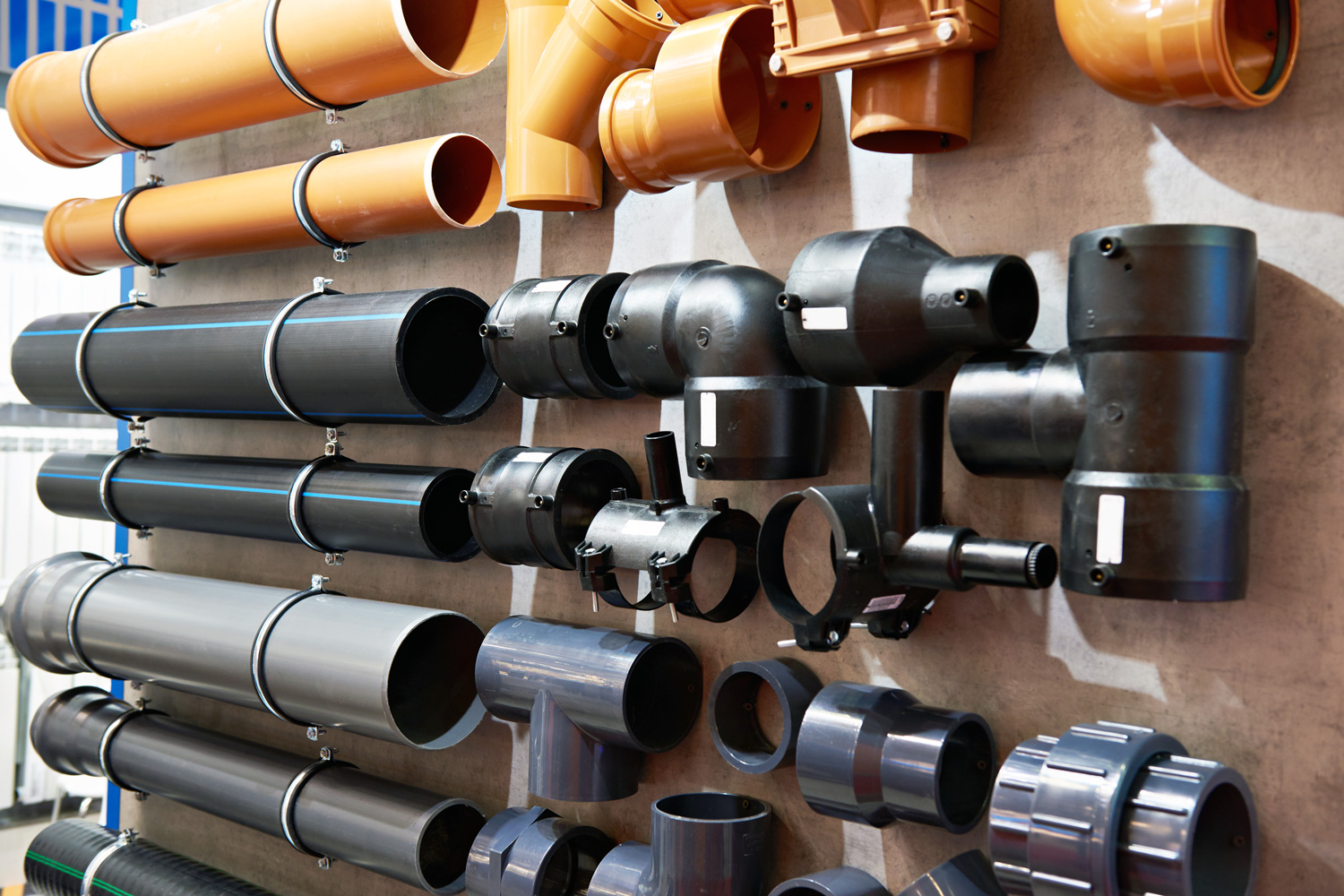
Traditional Waste and Vent Pipes
Historically, waste and vent pipes were made from cast iron, a material known for its durability and heft. In some cases, galvanized steel pipes were also used. Cast iron pipes are notable for their thick, dark metallic appearance—often visible in older basements.
Modern Plastic Waste and Vent Pipes
Today, plastic pipes are common replacements for cast iron in waste and vent systems. Plastics offer different advantages and have strict safety standards:
- Every approved plastic pipe or fitting bears an American Society for Testing and Materials (ASTM) designation number, indicating it has met important safety and performance standards.
- The two main types of plastic pipes used are:
- Polyvinyl Chloride (PVC): This white plastic pipe falls into the chloride family.
- Acrylonitrile Butadiene Styrene (ABS): This black plastic pipe contains a butyl component.
Both PVC and ABS pipes are permitted by most plumbing codes in the area and require specific installation methods. For instance, plastic pipes must be securely supported to prevent sagging and cannot be exposed to ultraviolet light. Smaller, clear tubing is sometimes used for specialized purposes, such as carrying condensate from appliances.
Types of Pipes for Water Supply Lines

Historic Water Pipes: Lead and Galvanized Steel
In the early 20th century, many homes had water pipes made of lead. While most lead pipes have since been replaced, some older homes may still contain them. The primary health concerns with lead pipes involve infants, young children, and pregnant women. Fortunately, years of mineral buildup inside old lead pipes help protect from direct exposure, but water utilities continue to encourage full pipe replacement.
Another common older pipe is galvanized steel, which appears gray due to its protective coating. This coating helps prevent steel pipes from rusting, but over time, galvanized pipes can still corrode.
Modern Water Pipes: Copper, CPVC, and PEX
About fifty years ago, copper pipes began to replace galvanized steel for water lines. While copper costs more as a material, professional plumbers favor it because it installs quickly and saves on labor costs.
In the 1980s, plastic piping options expanded to water distribution lines as well. One early version was unpopular due to durability issues, but a breakthrough came with the introduction of PEX (cross-linked polyethylene). Originally developed in Europe, PEX has become the standard in the Twin Cities and elsewhere thanks to its flexibility, strength, and ease of installation. In many new projects, water supply lines are almost exclusively PEX.
Conclusion: Why Knowing the Types of Pipes Matters
Understanding the types of pipes in your home can help you identify potential issues and make informed decisions during repairs or upgrades. Each material—whether cast iron, PVC, copper, or PEX—has specific strengths and applications, shaped by years of innovation and experience.
If you need help identifying pipe types or making updates to your plumbing system, reach out to St Paul Pipeworks. Our licensed professionals are trained to handle all varieties of pipes and can help you ensure that your home’s plumbing remains safe and reliable.
Need expert advice on your home’s plumbing pipes? Contact St Paul Pipeworks today to schedule an inspection or consultation with our trusted team.
Yours Truly,
Matthew Dettwiler
Social Media Manager
FAQs
Q: What are the different types of plumbing pipes commonly used in homes?
A: In basic plumbing, there are three primary types of plumbing pipes used in homes:
- Water Pipes: These pipes are responsible for carrying fresh water into your home.
- Waste Pipes: Waste pipes lead wastewater out of your house.
- Vent Pipes: These pipes are connected to the waste system and provide air to help eliminate odors from the waste system.
Q: Can you explain the changes in plumbing pipe materials over the years?
A: Certainly! Plumbing pipes have evolved over time due to improved technology and manufacturing techniques. Traditionally, waste and vent pipes were made of cast iron or galvanized steel. However, modern options include plastic pipes, such as Polyvinyl Chloride (PVC) and Acrylonitrile Butadiene Styrene (ABS). These plastic pipes must meet specific ASTM standards to ensure safety and compliance with plumbing codes.
Q: Are plastic waste and vent pipes safe and up to code?
A: Yes, plastic waste and vent pipes, including PVC and ABS, are generally up to code in most plumbing regulations. They undergo rigorous testing and are assigned ASTM designation numbers to ensure their suitability for plumbing applications. Professional plumbers ensure that only approved plastic pipes and fittings are used.
Q: What are the key differences when installing plastic piping compared to metal piping?
A: When installing plastic piping, plumbers need to provide more support to prevent sagging under the weight of water. Additionally, plastic pipes should be installed in areas without exposure to ultraviolet lighting. Clear plastic tubing may also be used to convey condensate from furnaces or air conditioners.
Q: Why is lead piping a concern, and what has been done about it?
A: Lead piping poses potential health hazards, especially to infants, young children, and pregnant women. Most lead pipes in homes have been replaced over time, but there are still some in service. Water utilities encourage the replacement of lead piping. Galvanized steel piping, often mistaken for lead, has a gray material added to prevent rust. Copper and plastic pipes have become more popular alternatives due to their durability and ease of installation.