If your home was built before 1980, especially if it still has galvanized pipes, it may be time to consider a plumbing re-pipe, as many of these homes are likely to start having plumbing issues. If you notice low water pressure, frequent clogs, pesky leaks, cloudy or smelly water, or noisy pipes, you may need plumbing maintenance. It is a good idea to have a professional plumber out for a routine inspection for problems with old materials or signs of corroding pipes.
Some materials will wear over time, especially in houses with very cold winters and hard water. Old galvanized steel piping is much more likely to rust and corrode, which can cause lower water quality and a much greater risk of leaks and breakages. There are only a limited number of times pipes can be patched and repaired before they become dysfunctional and need to be replaced.
Being proactive and getting a head start is a good idea to save you from much more extravagant costs down the road. Even a small leak can cause severe damage, like a flooded basement, ruined carpet, ruined hardwood floors, and more.
Eventually, all homes require new plumbing pipes.
5 Signs Your Home May Need New Pipes
1. LEAKING PIPES
If you start to notice a leaking pipe in multiple areas of your home, big or small, it usually means the pipes are starting to fall into disrepair and will most likely require repair or replacement. If you notice damp areas, any signs of mold growing, or stains on floors, walls, or ceilings, it could be a sign of a leaking pipe hidden inside the walls.
If not addressed promptly, those leaks can lead to significant damage to your home, health problems from mold, and much higher water bills. If you start having issues with multiple pipe leak repairs and your plumbing pipes are aging, you should contact a professional plumber in the St. Paul and Minneapolis metro area to come out for an inspection and consider a re-pipe to prevent more drastic damage and costs down the road.
2. CORRODED PIPES
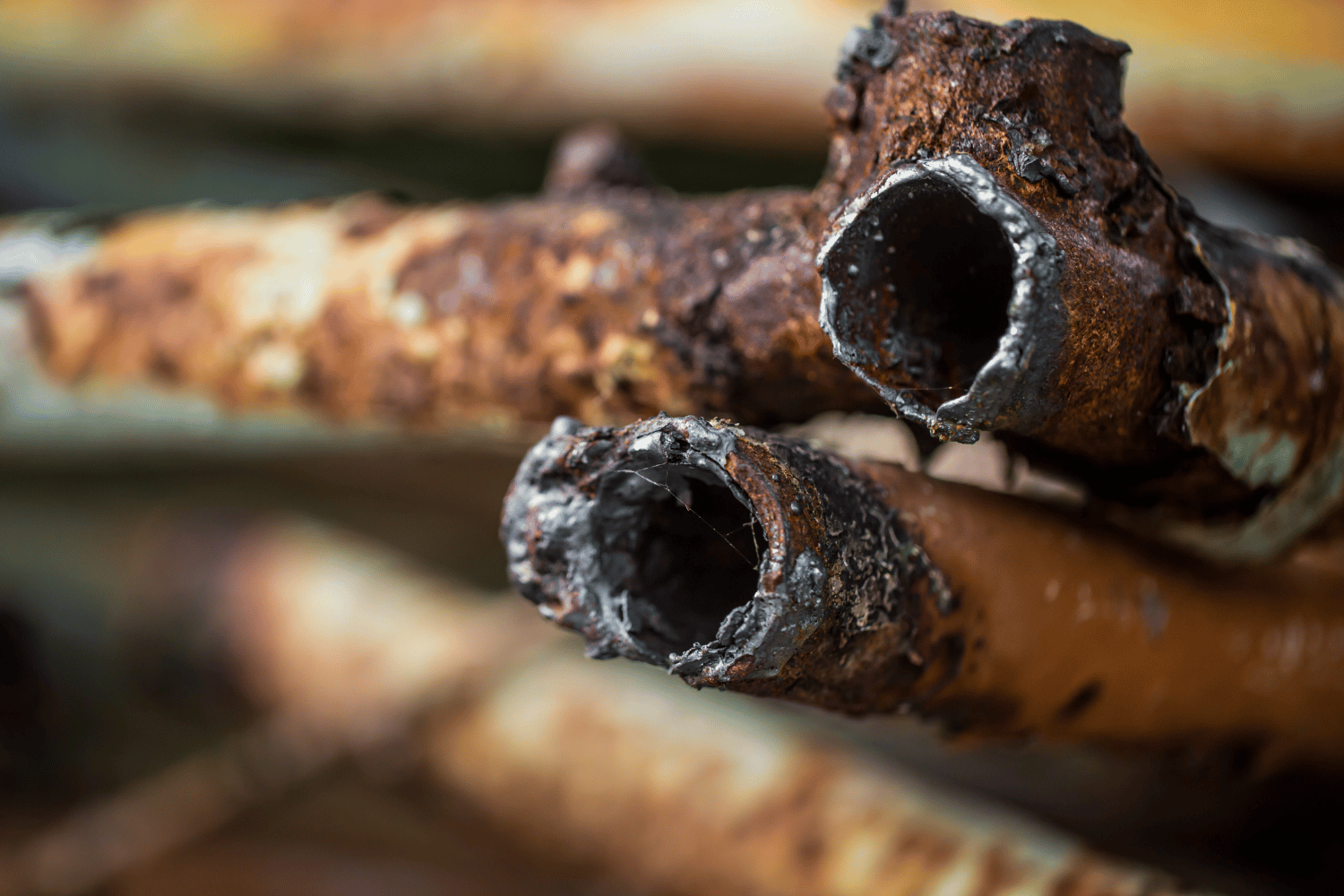
Visible signs of corrosion on pipes in your home can be a warning sign that your pipes are deteriorating and may need re-piping. Any significant signs of rust, flaky spotting, or odd discoloration you see on pipes in your basement or crawl space indicate pipe corrosion. Also, white and green deposits around fittings can be a clear sign of oxidation. If you notice these signs on visible pipes, there is likely to be much more damage to your hidden pipes as well.
Over time, corroded pipes slowly break down, causing leaks that can lead to water damage in your home and contaminated, unsafe drinking water. St Paul Pipeworks plumbers recommend an inspection by a professional if any of these signs start to appear.
3. LOW WATER PRESSURE
If you notice a drop in water pressure in your home, it may be caused by sediment buildup in your pipes and might indicate significant pipe corrosion. A buildup of sediment in your pipes can narrow them and slow water flow to your faucets, resulting in low water pressure. Random debris and minerals can accumulate in aging plumbing pipes over the course of multiple years.
Experiencing low water pressure in your home over an extended period of time can be a warning that you should have an experienced plumber out to determine whether a re-pipe is required to ensure you have the proper amount of water pressure and reduce the risk of future excessive water damage and costs.
4. ODD NOISES IN THE PIPES
If you begin to hear random banging or hissing and gurgling sounds from your plumbing pipes after you turn off the faucet, that may mean there is a serious problem. A multitude of things may cause these noises.
When water stops or changes direction suddenly, creating a shock in the pipe, that noise is referred to as “water hammer”. As this shock continues, it will loosen the fittings connecting the pipes and may eventually rupture a pipe.
Unusual pipe noises can also be caused by air trapped in the pipes, which can create high water pressure and lead to vibrations, loosened joints, and deterioration.
Also, as outdoor temperatures in the St. Paul and Minneapolis metro area change from warm to freezing, pipes can expand and contract, creating clanging and knocking sounds.
5. DISCOLORED / BAD TASTING WATER
If you start to notice rusty, brownish water coming out of the faucets in your home, it usually means that the inside of your pipes has started to corrode, and rust is forming. This usually happens in homes piped with galvanized steel piping. Corrosion buildup in the pipes can contaminate your water, affecting its taste and quality.
There may also be an unpleasant smell in the water, similar to sulfur or rotting eggs. The unpleasant smell is caused by hydrogen sulfide released by bacteria growing in still water inside corroded pipes. Besides the awful smell, signs of this odor may indicate a risk to your health from bacteria forming in your plumbing pipes.
Try flushing your home’s pipes or installing a water filtration system. If that fails and you are still experiencing discolored, smelly water, you should consider calling a professional plumber to discuss the possibility of re-piping your home.
When To Call St Paul Pipeworks
Any of these problems should be addressed before they become larger issues that can lead to costly repairs and water damage.
If you notice any of these signs, it is time to consider contacting a professional plumber for an inspection. St Paul Pipeworks plumbers examine the wear on the pipes in your home, especially in older homes with galvanized steel pipes. They can come up with the best option to resolve your problem, whether a simple pipe repair or a whole-home re-piping, to ensure the safety and well-being of your home.
If you have any questions about a pipe inspection for your home or are looking for a quality plumber in the St. Paul and Minneapolis metro area, give St Paul Pipeworks a call today.
Yours Truly,
Matthew Dettwiler
Social Media Manager
FAQs
How do I know if my home needs new plumbing pipes?
If your home was built before 1980 and still has galvanized steel pipes, it’s a good idea to schedule an inspection. Common signs include low water pressure, frequent leaks, rusty or smelly water, and clanging or banging noises from your pipes. St Paul Pipeworks plumbers can examine your existing system and let you know if re-piping is needed to prevent future water damage.
What is the best type of pipe to replace old galvanized plumbing?
Most homeowners in the St. Paul and Minneapolis metro area choose PEX or copper pipes for re-piping. PEX is flexible, durable, and cost-effective, while copper offers long-lasting quality and reliability. Our St Paul Pipeworks team helps you select the best material for your home’s plumbing system and local water conditions.
How long does a whole-home re-pipe take?
A full re-pipe of a standard home usually takes between 3 to 5 days, depending on the size of your house and the complexity of the plumbing system. We always work efficiently to minimize disruption to your household and ensure your new plumbing is installed correctly and safely.
Will re-piping my home improve my water pressure and quality?
Yes! Replacing corroded or clogged pipes can dramatically improve water pressure and enhance water quality. New pipes eliminate rust, scale, and mineral buildup that often cause cloudy water, unpleasant odors, or reduced flow, giving your home cleaner, fresher water.
How can I schedule a plumbing inspection in the Twin Cities area?
Scheduling an appointment with St Paul Pipeworks is easy. Simply contact us online or call our local team in St. Paul. Our experienced plumbers provide honest assessments, upfront pricing, and expert recommendations for whether repair or full re-piping is the best solution for your home.